
Dear Ladies and Gentlemen,
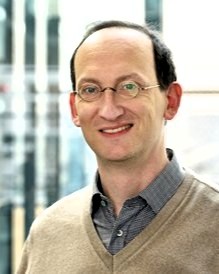
Dear Colleagues,
On behalf of the Society for Human Genetics, I warmly welcome you to the annual conference in Jena. Having had the honor of helping to organize this event in Weimar back in 2019, I am delighted to now welcome you here in Jena as well. Johann Wolfgang von Goethe, who, as Privy Councilor and Minister in Weimar, had overall supervision of the University of Jena, called Jena a “hub of knowledge.” Indeed, for centuries, Friedrich Schiller University has stood for scientific curiosity, interdisciplinary exchange, and innovative research—a field in which our discipline also has its place today.
Human genetics is undergoing a period of extraordinary dynamism. Advances in genome sequencing, single-cell analysis, and the bioinformatic analysis of large datasets are fundamentally transforming our understanding of genetic diseases. At the same time, new diagnostic methods, personalized therapeutic approaches, and developments in the field of gene and cell therapies are opening up opportunities that seemed almost unimaginable just a few years ago. In particular, the integration of genetic findings into clinical care, the application of artificial intelligence in variant interpretation, and the challenges of handling genomic data will have a lasting impact on our discipline in the coming years.
These scientific advances are accompanied by important ethical, societal, and health policy questions: How do we ensure the responsible handling of genetic information? How do we guarantee patient participation, data protection, and equitable access to innovative therapies? And how can we successfully combine the rapid development of our field with patient-centered medicine? The annual conference offers an opportunity to discuss these topics together and develop new perspectives.
Jena provides an ideal setting for this. The city combines a long scientific tradition with cutting-edge research. The close collaboration between the university, the university hospital, and non-university research institutions creates an environment where interdisciplinary cooperation is the norm. Names such as Carl Zeiss, Ernst Abbe, and Otto Schott remain synonymous to this day with innovative spirit and the close alignment of science, technology, and social responsibility. This connection continues to shape Jena to this day—including in the life sciences and modern medicine.
I hope that the conference will not only provide a space for scientific exchange and new collaborations but also create an opportunity to experience Jena’s unique atmosphere: a city of short distances, science, and encounters.
I would like to extend my heartfelt thanks to all contributors, speakers, organizers, and participants for their dedication, and I wish us all a stimulating, enlightening, and inspiring 2027 Annual Conference in Jena.
With warm regards,
Christian Hübner